
Digital Marketing Design Trends for Higher Engagement
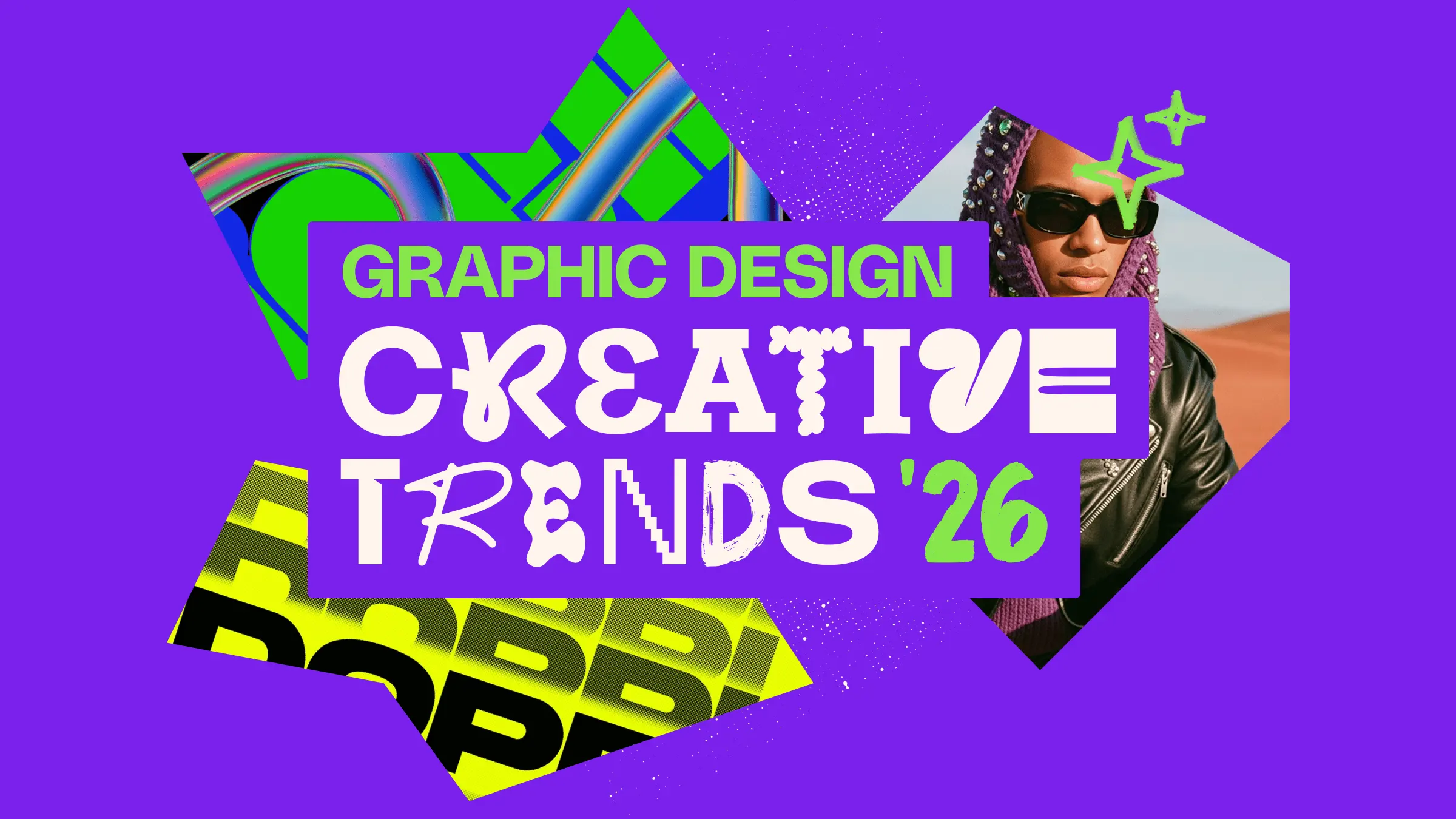
With 2026 just around the corner, the world of digital marketing is moving at an ever-increasing pace. The advance of technology, changes in the behavior of people, and the growth of AI once again raise the bar high for modern design. This being said, those brands that want to stay on point should, first and foremost, be informed about recent design trends, as these trends impress visually and enhance engagement substantially.
Below are the most influential digital marketing design trends for 2026 that will help brands increase interaction and extend user attention by developing more powerful emotional bonds between them and their audience.
1. Hyper-Personalized Visuals That Are More Human-Like
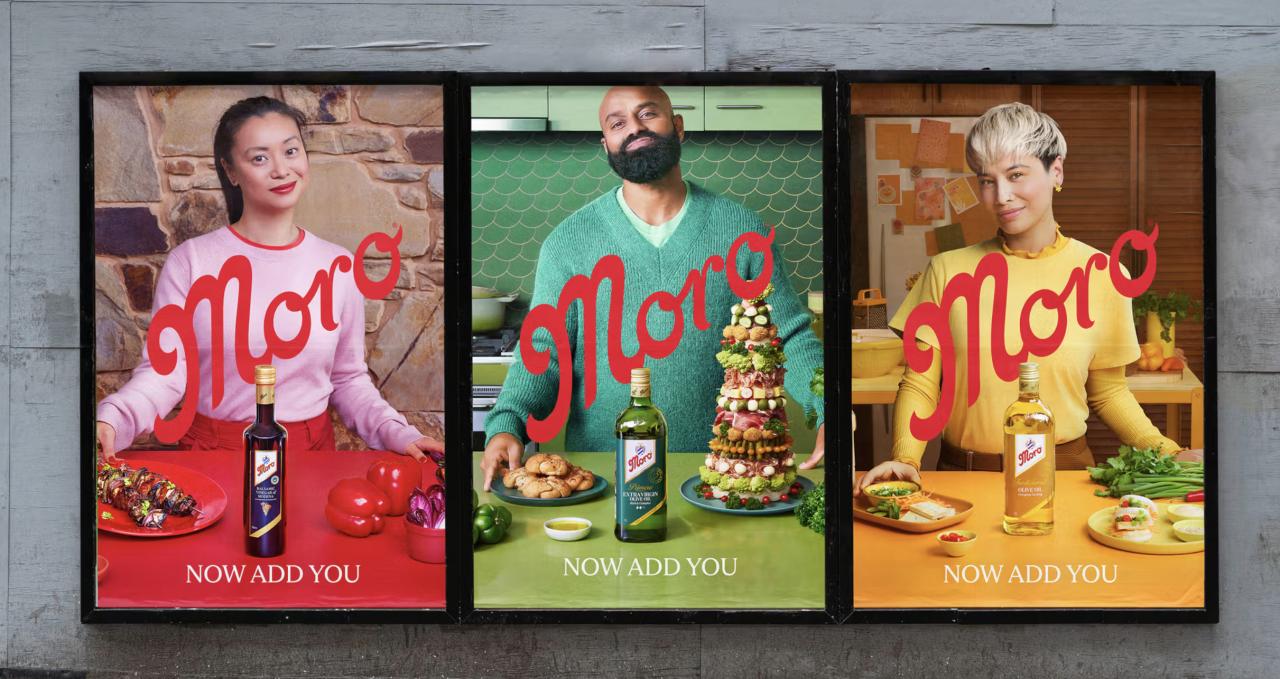
Hyper-personalised visuals are one of the dominating trends of 2026. More and more, people want to see and experience those things that are “close”, relatable, and crafted in a particular way for them. That’s why brands combine data-driven insights into more human-centric visual design.
Why does it matter?
It’s these personal-feeling visuals that make people feel understood. This naturally leads to longer engagement, more clicks, and a deeper feeling of trust.
2. AI-Generated Creative Assets With an Artistic Touch
It may be that creation will indeed have AI at the forefront, but not completely without human involvement. For 2026, we predict an increase in AI-assisted design in which there is a perfect blend of creators using AI for ideation acceleration while adding that artistic touch necessary to sustain authenticity.
Examples include:
- Automatic banner design based on user behavior.
- Short videos to satisfy viewer preferences.
- Adaptive campaign visuals delivered in seconds
This synergy makes design faster, more responsive, yet exquisitely crafted.
3. Immersive Micro-interactions Engage Users for More Time
Besides appealing visuals, the 2025 design principles are all about immersive micro-interactions: small, well-thought-through details such as a button reacting to touch, subtle scroll animations, or responsive visual feedback bring maximum enhancement in user experience.
These micro-interactions intuitively take the user through and minimize excess readings, thus increasing overall satisfaction. Simplicity with impact is key in this fast-paced digital world.
4. Typography in bold with refined professional tone
It is not only decorative, but the typography has turned out to be a strong medium for communication. This 2026 trend uses bold and expressive typography that communicates messages clearly and compellingly in just a few seconds.
The brands use elegant contrasts, such as modern serif fonts, soft curves, and dynamic thin-thick combinations, which contribute to visual engagement; this helps balance professionalism with artistic expression.

5. Fluid & Organic Layouts That Improve Reading Flow
While last year was all about the heavy grid layouts, 2026 brings in an organic fluid feel into the design structures. The elements visibly fall into place to follow the natural reading flow that users take, placed strategically so the experience feels easy and enjoyable.
This approach extends the user’s attention while allowing brands to communicate their messaging more persuasively.
6. Ultra-minimal motion graphics can inform without overwhelming
As consumption increased, so did the relevance and importance of motion graphics in digital marketing design; however, 2026 favors more minimal and refined approaches. In place of complex animations, subtle movements have taken center stage for brands: outline animations, gentle fades, and clean transitions. The respective designs maintain professionalism by keeping the message in the center.
Conclusion: 2026 Design Prioritizes Emotion & Efficiency
Finally, the Digital Marketing Design Trends of 2026 ultimately point the way toward emotionally connecting and simplifying experiences. From hyper-personal visuals and AI-driven creativity to elegant micro-interactions, these have the power to make digital experiences more relevant, engaging, and memorable for brands. Embracing these design trends is an advantage, not an option, in the digital arena where competition is growing.
