Sustainable Interior Design: Eco-Friendly Home Trends 2026
Walk into a home in 2026 and you’ll sense it right away—something’s different. Interior design isn’t just about style anymore. People care, for real, about what they buy and how it shapes the world around them. Sure, homes still look amazing, but now there’s this real sense of purpose. Sustainable design isn’t some passing fad; it’s simply part of how people live and decorate now.
But what does eco-friendly design actually mean these days? And how do you pull it off without giving up comfort or great looks?
Here’s what’s shaping sustainable interiors right now.
1. Natural and Renewable Materials Step Up
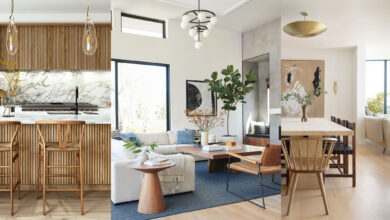
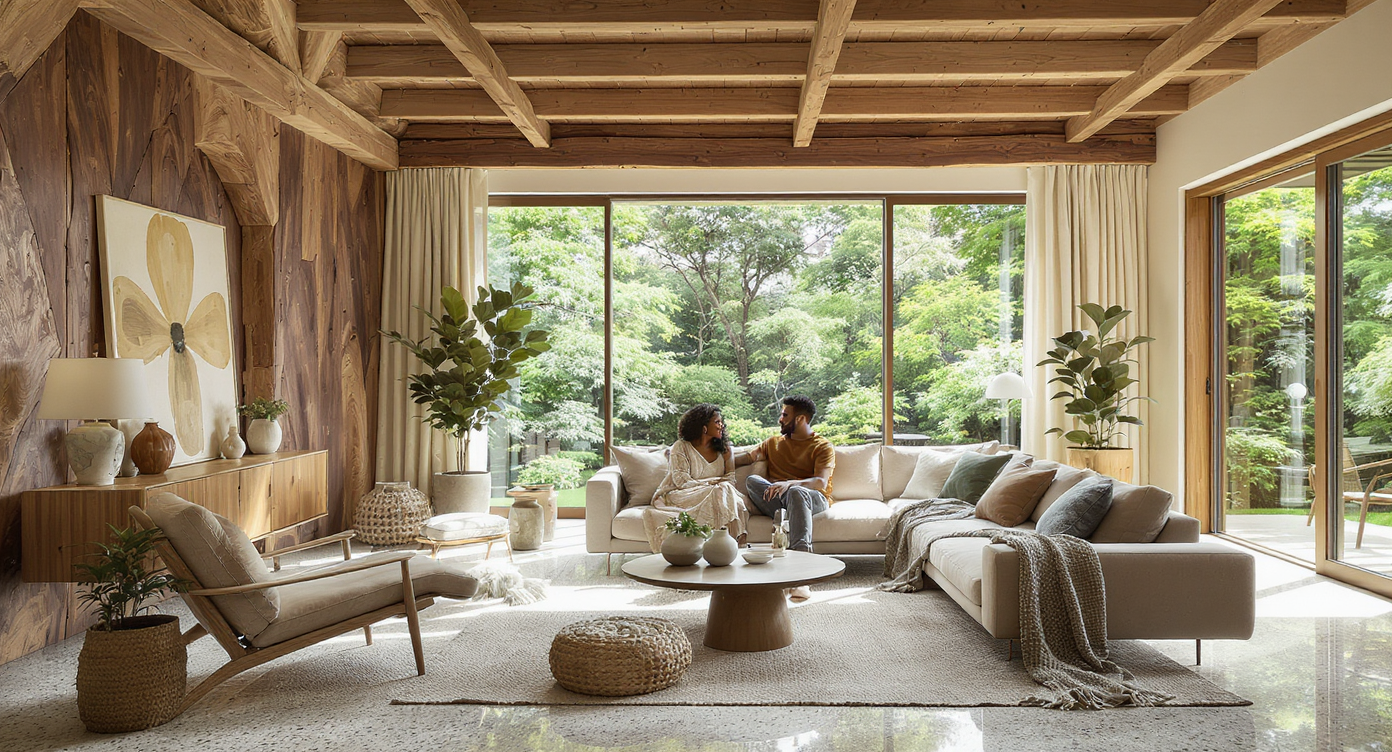
Materials are front and center. Designers keep reaching for renewable, biodegradable, and ethically sourced options—think bamboo floors, reclaimed wood, cork countertops, natural stone. These don’t just shrink your carbon footprint; they make spaces warmer and more inviting.
Synthetic fabrics? Not so much. Instead, you’ll see linen, hemp, and organic cotton everywhere. They feel better, they last, and they just let a room breathe.
2. Greener, Smarter Tech
Saving energy is huge. LED lights are still in, but now you’ve got smart lighting, automated thermostats, and gadgets that show you exactly what you’re using. You save power almost without trying, and life just gets simpler.
3. Upcycled and Vintage Treasures
Disposable furniture is out. People are chasing vintage finds and upcycled pieces. Fix up an old dresser or give a funky chair new life—suddenly your space has a story, and you’re keeping stuff out of the landfill. Plus, let’s be honest, older furniture usually just lasts longer.
4. Biophilic Design—Nature Belongs Inside
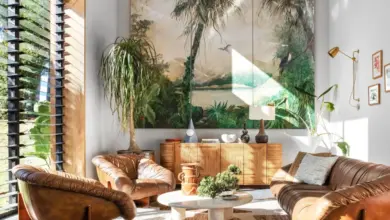
Biophilic design has taken off. It’s all about bringing nature indoors—big leafy plants, living green walls, sunlight streaming in, maybe even a tiny indoor fountain. Earthy tones like olive, clay, and warm brown make rooms feel grounded. And it’s not just for looks. All that greenery actually makes you feel better.
5. Less Waste, More Meaning
Minimalism and sustainability go hand in hand now. People are over clutter. It’s about quality, not quantity—multi-purpose furniture, clever storage, and layouts that just work. Rooms feel airier, calmer, and everything you own actually matters.
6. Healthier Paints and Finishes
Looks aren’t everything. Air quality matters, too. Designers pick low or zero-VOC paints, non-toxic finishes, and safer materials everywhere—from adhesives to insulation. A sustainable home isn’t just good for the planet. It’s better for you, too.
7. Sustainable Luxury—Style Meets Conscience
Forget the idea that eco-friendly means sacrificing style. By 2026, sustainable luxury is everywhere. High-end brands offer beautiful, ethically-made furniture and décor, so you can have a stunning home and feel good about it. Living green? It feels pretty great.
How to Get Started
Don’t stress about doing it all at once. Just pick one thing and start—switch to LEDs, buy a houseplant, or track down a reclaimed wood table that speaks to you. Every small step matters.