Web Design Trends: The Future of Interactive and Immersive Websites
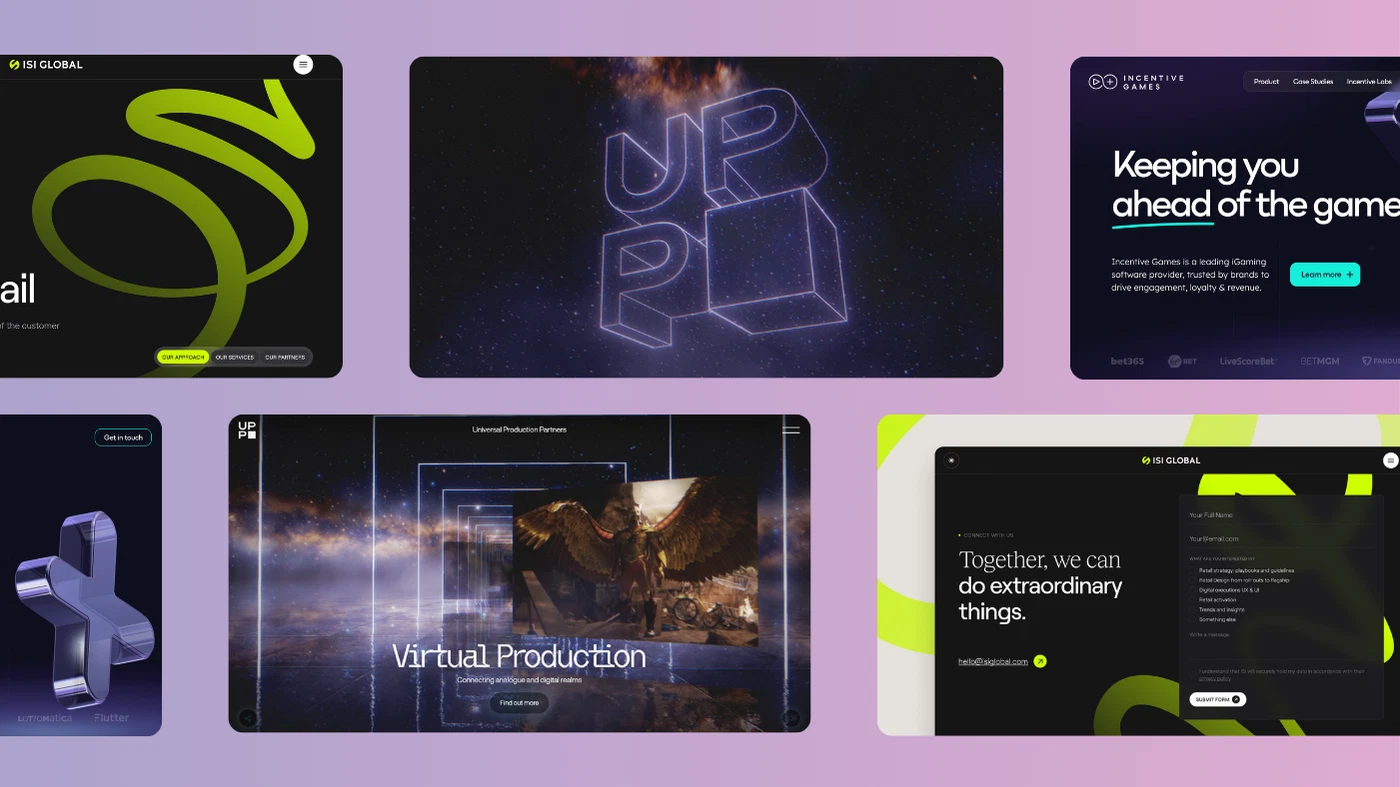
This is the new era of Web design, where users no longer want to just “browse” a website but, instead, want to experience one. As technology and digital expectations evolve, so too must the thinking of businesses around designing their online presence. The most successful websites of today will feel dynamic, intuitive, and emotionally engaging; they won’t just deliver information-they’ll take you on a journey.
A Shift towards Interactive Experiences
By 2025, interaction design will provide the foundation for modern websites. There shouldn’t be any static pages; rather, users will expect motion flow, micro-interactions, and intuitive transitions guiding them through the content. Such little movements-for instance, buttons reacting to touches, menus flowing into place, and subtly animating images-are all about giving developers a more organic feel to the digital space. Most importantly, interactive elements increase user retention, making a website feel alive rather than mechanical.
Immersive layouts are redefining user engagement.
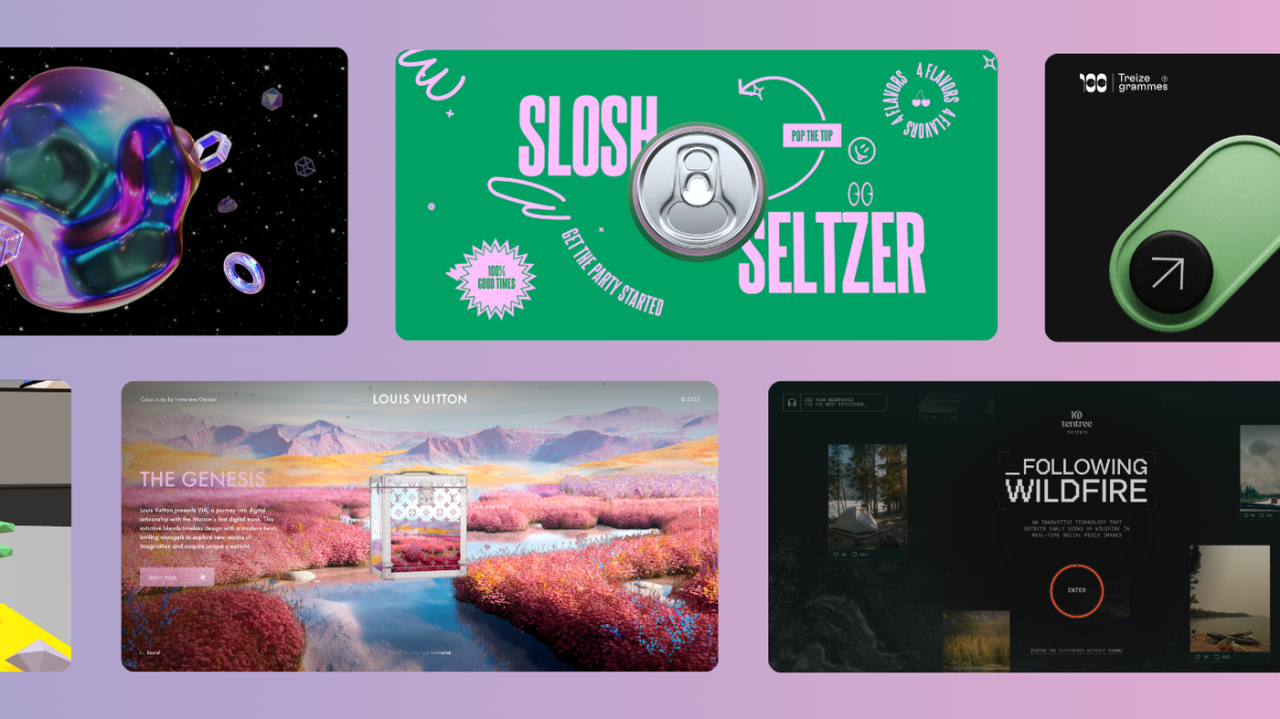
Beyond interaction, immersive layouts are taking a quantum leap on how the future of Web experiences will be. Today, full-screen visuals, cinematic scrolling, and 3D pull users deeper into the content of websites. This enables stronger storytelling and allows brands to express identity in an emotional and unforgettable way. It helps businesses differentiate themselves in the ever-increasing competitiveness seen in digital.
The Rise of 3D, AR, and Real-Time Visuals
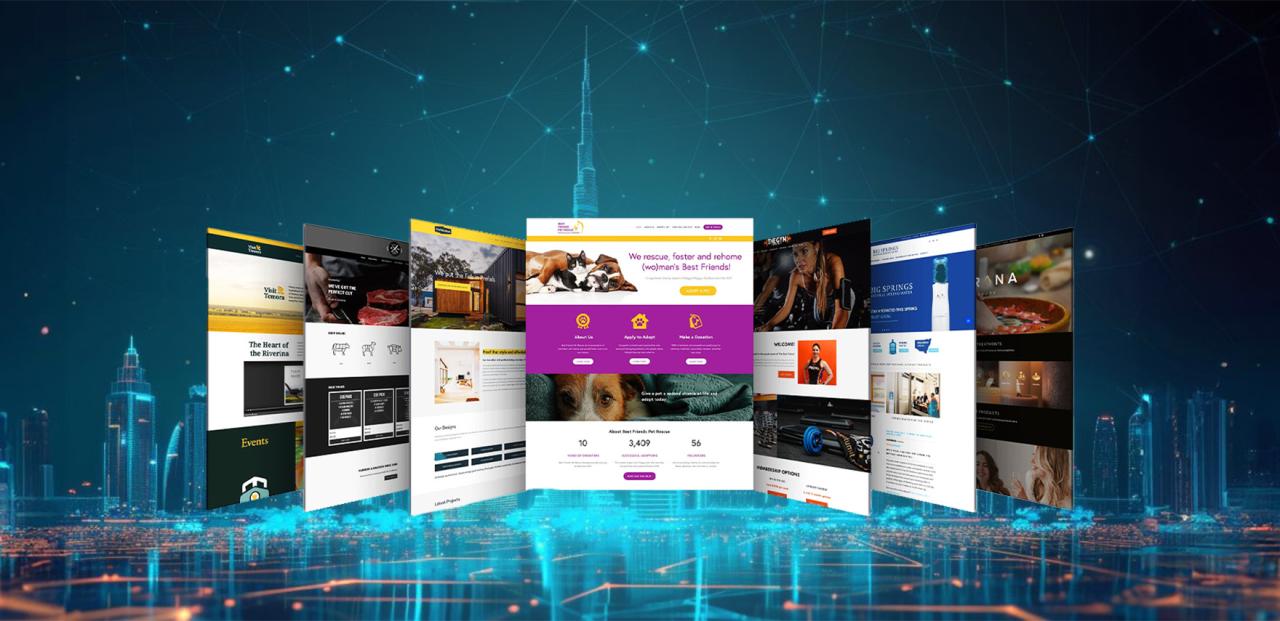
Another huge emerging trend for right now is the integration of 3D graphics and augmented reality in which the viewer could perceive a product, space, or idea in real time. They can rotate the product, preview what a layout would look like in a room, or even view what it would look like in their own space. As WebGL, Three.js, and other real-time frameworks continue to become more mainstream, 3D design isn’t going to be limited to just the tech giants anymore.
Personalization has become the new normal.
As AI develops, personalized web experiences will continue to grow in their importance. Websites aren’t hardwired to present the same content to every visitor. Instead, they change based on user behavior and preference, especially browsing patterns. This in turn will not only increase engagement but conversion rates, too. Personalization recommendations, dynamic landing pages, and adaptive design flows make sure every user has a more relevant experience that fortifies brand loyalty.
Minimalism Evolved: Clean, Smart, and to the Point
It is not like minimalist design is dying down; instead, it’s evolving. The definition of modern minimalism would be clarity, smart spacing, and meaningful elements rather than extreme simplicity. This refreshing approach enables designers to create clean-cut layouts without a lack of either interactive or visual depth. Besides, minimalist interfaces guide users through interactions way smoother, keeping cognitive load low while general usability increases.
Accessibility and Inclusivity Take Center Stage
Where digital platforms are growing, inclusivity is no longer an option. The future of web design belongs to accessible interfaces for all users, regardless of their abilities or devices. That means readable typography, proper contrast ratios, intuitive navigation, and voice-friendly design. By catering to people’s needs, brands not only stay in line with international standards but also achieve more for their audience reach.
Faster Speeds, Smoother Performance
While visuals get more dynamic, performance isn’t a negotiable factor. Users want websites to load instantly, whatever the degree of complexity. So, designers have come to rely more and more on optimized assets, lightweight animations, and smarter caching techniques. Besides, technologies like WebP, lazy loading, and modular frameworks help make sure these immersive experiences are smooth and responsive.
Where Web Design Is Heading Next
The future of web design is about integrating technology with emotion. As interactive elements start to bloom organically, immersive visuals grow in nuance, and experiences are further crafted, websites will continue to evolve into digital spaces that feel uniquely human. After all, the idea is simple-to evoke an online journey that links users to the stories, products, and ideas of every brand.